How AI Is Changing Obstetrics: Ultrasound AI’s Delivery Date Tool
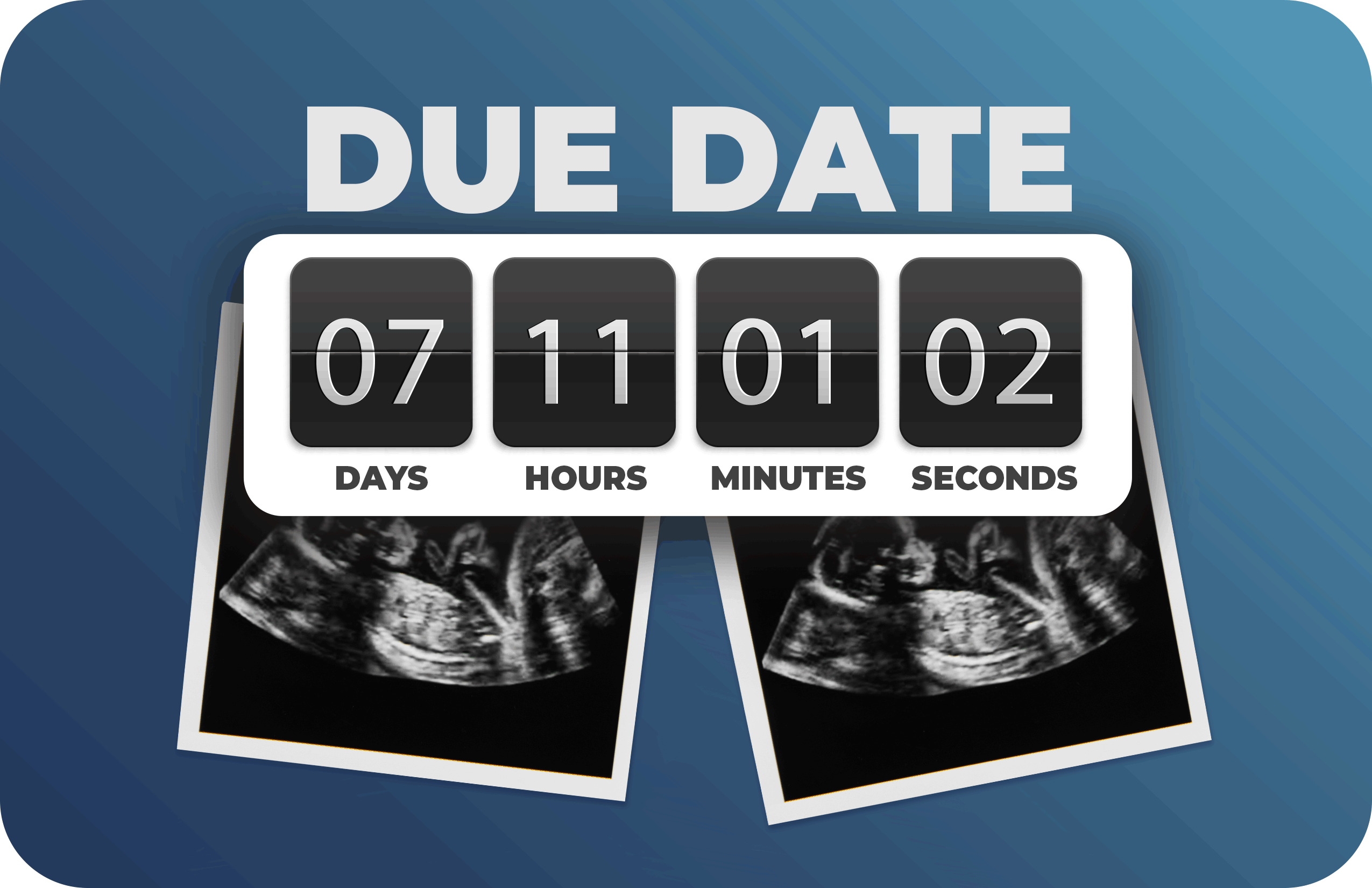
Predicting a baby’s arrival has always been part science, part estimation. Even with ultrasound imaging, clinical teams often face uncertainty; especially when last menstrual period or gestational-age dating is unreliable.
Now, AI is stepping in to make predictions more precise, and Ultrasound AI’s Delivery Date AI, recently cleared by the FDA, is a prime example. This cloud-based software as a medical device (SaMD) takes standard ultrasound images and predicts the delivery date in real time, right within existing prenatal workflows.
Here’s how this technology can actually work in practice:
Phase 1: Set the Foundation – Standard Ultrasound, Real Insights
Before any AI tool can be useful, you need reliable input. For Delivery Date AI, that means standard ultrasound images across diverse pregnancies.
The AI has been trained on millions of de-identified scans, analyzing both fetal and maternal characteristics. It’s not meant to replace clinical judgment; it complements it by providing an additional, data-driven insight to inform decisions.
Key benefit: clinicians get actionable predictions when traditional dating methods are unreliable, reducing uncertainty for both the medical team and expecting parents.
Phase 2: Integrate Into Daily Workflows
Delivery Date AI is designed to fit seamlessly into OB/MFM visits. It works with most ultrasound machines, installs in minutes, and gives results in seconds after image upload.
Think of it as having a “second opinion” in real time:
- Real-time predicted delivery dates
- Immediate insights for clinical decision-making
- No workflow disruption, no extra steps for staff
Impact: high-volume clinics, resource-constrained settings, and even remote obstetric deserts can scale this technology without overhauling their existing processes.
Phase 3: Enhance Clinical Confidence
With FDA clearance and peer-reviewed validation, the tool provides measurable accuracy. The PAIR study, covering over 5,700 patients, showed a predictive R² of 0.92 for delivery dates using only images.
This data-first approach is more than numbers; it supports equitable care across diverse populations, allowing clinicians to tailor care plans confidently.
For families: fewer surprises, more personalized prenatal care, and better preparation for delivery.
Phase 4: Scale and Expand
Beyond day-to-day visits, Delivery Date AI opens doors for broader AI-enabled prenatal care:
- Supports early interventions for preterm birth
- Reduces downstream costs associated with delivery complications
- Enables integration with hospital imaging systems at scale
As AI becomes part of the infrastructure, it’s not just a tool; it’s a partner in maternal-fetal healthcare.
Final Thoughts
Delivery Date AI demonstrates how practical AI implementation can improve outcomes without overcomplicating workflows. By transforming ultrasound images into actionable predictions, it gives clinicians the confidence to make informed decisions and families the clarity they deserve.
The future of obstetrics is data-driven, but human judgment still leads the way. AI simply makes the path clearer.